Winter Weddings have a bit of a reputation. Dark. Cold. A bit of a gamble. I’m here to tell you that reputation is wrong.
Honestly? Some of my favourite light of the whole year turns up in December.
Yes, the days are short. Up here in Yorkshire, the sun’s packing up for the day before 4pm in mid-December. And if you’ve booked a winter date (or you’re quietly wondering whether you should), I’d bet a few worries have crept in:
- Will our photos be too dark?
- Will we actually get enough light for the shots we want?
- What if the weather does its thing and everyone’s freezing?
- Is a winter wedding just… a bad idea?
Short answer: no. Long answer: it’s all in the planning.
Winter light is low, soft and warm, and it doesn’t hang around. So you work with it, not against it. A tight timeline built around the daylight. A few minutes outside at exactly the right moment. Candles, fires and twinkly lights doing the heavy lifting once it’s dark. And a photographer who knows the venue, packs back-up kit, and will happily pull on her wellies and embrace the weather rather than fight it.
That’s what this post is all about. Whether you’re a couple with a winter date in the diary, still sitting on the fence, or a fellow photographer wanting to make the most of those short days, here’s how I make winter light work.
What Winter Light Is Actually Like
Let’s talk numbers for a second, because knowing what you’re working with takes a lot of the fear out of it.
In mid-December, the sun sets in York at around 3:40 pm. On the shortest day, you get roughly seven and a half hours of daylight. That’s it.
But here’s the bit nobody tells you. In winter, the sun never climbs very high. It sits low in the sky all day long, which means soft, warm, side-on light from lunchtime onwards. No squinting into harsh midday sun. No panda-eye shadows. Just that golden, glowy light that makes everyone look like they’ve had a really good night’s sleep.
And when the sun does go down? It doesn’t go dark straight away. You get around 45 minutes of twilight, where the sky turns soft and blue and everything feels a bit magical.
So it’s not less good light. It’s good light that keeps to a tighter schedule.
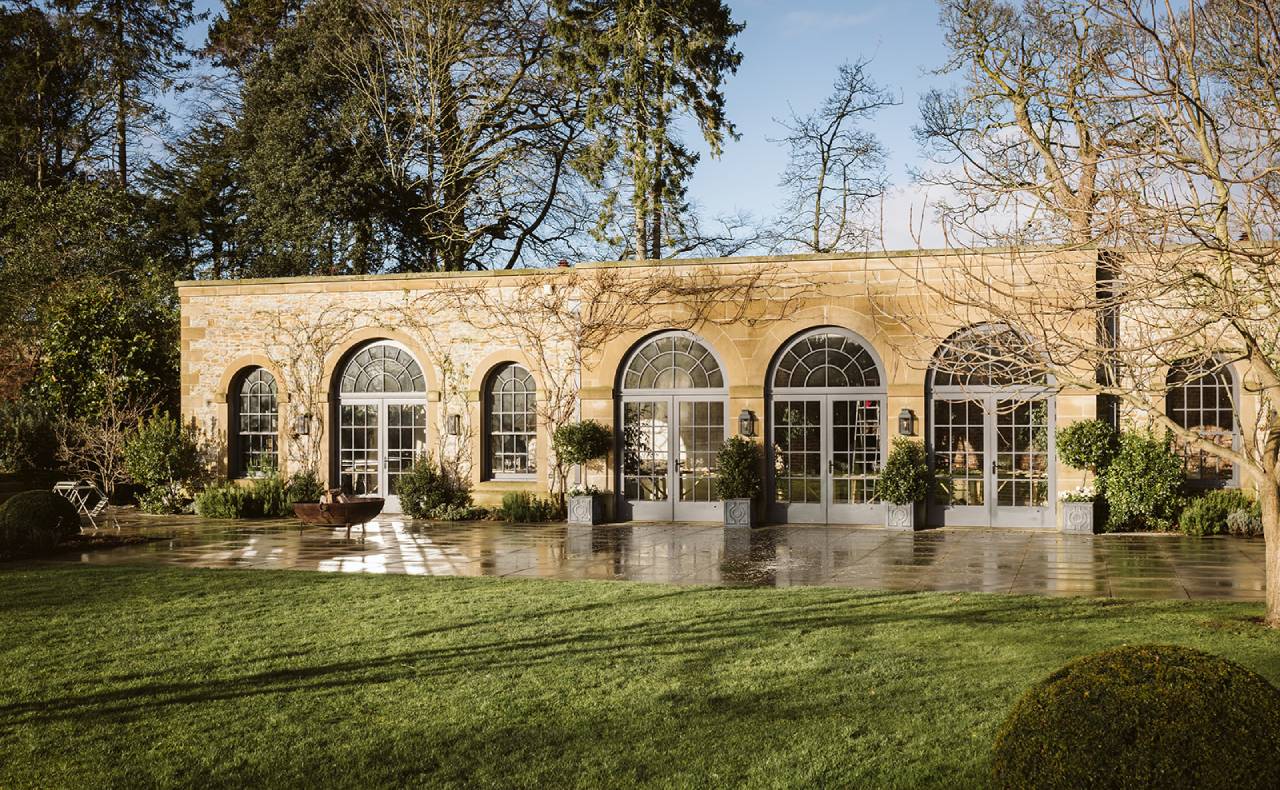
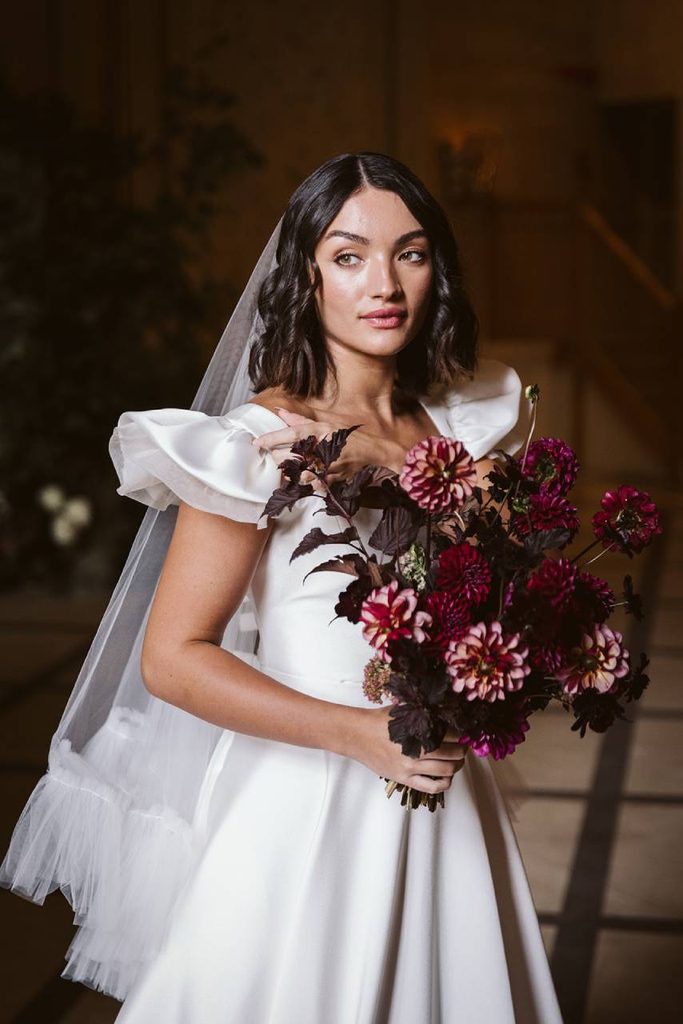
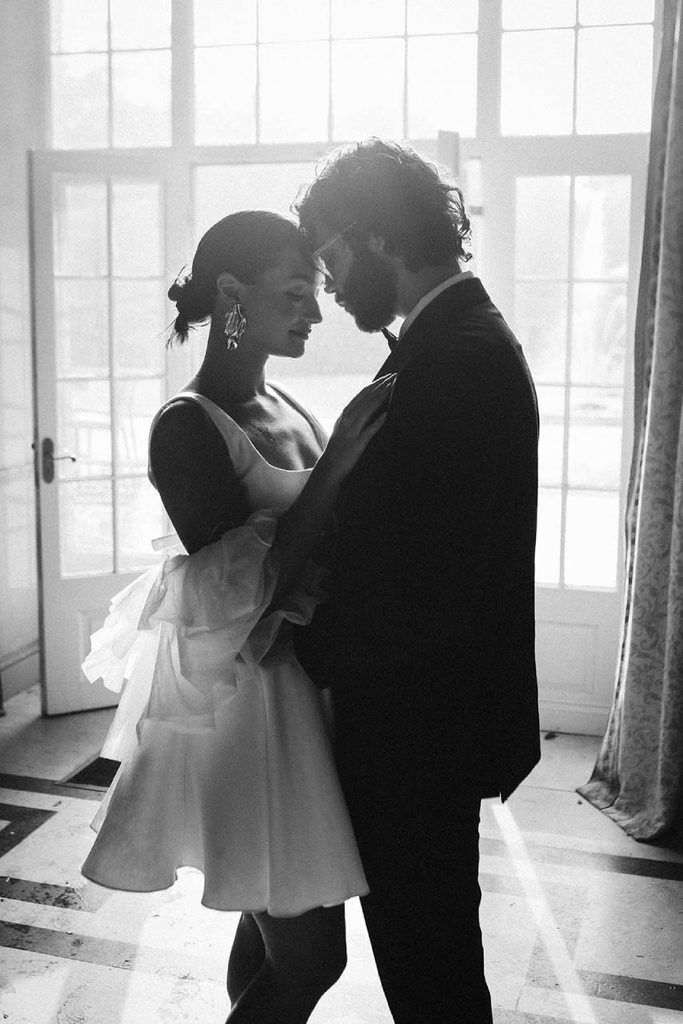
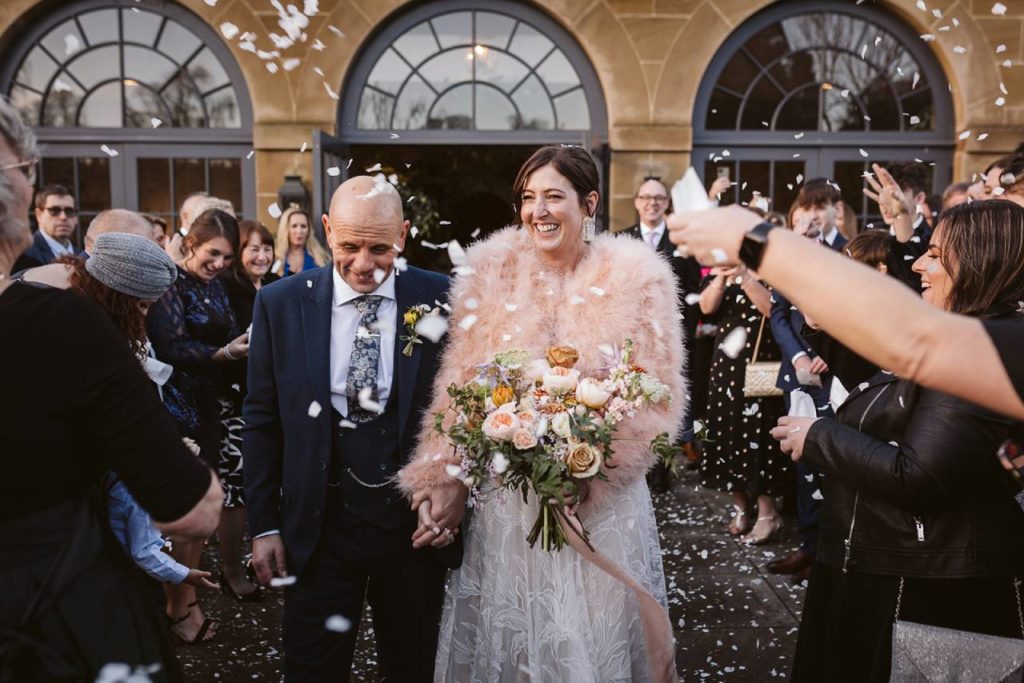
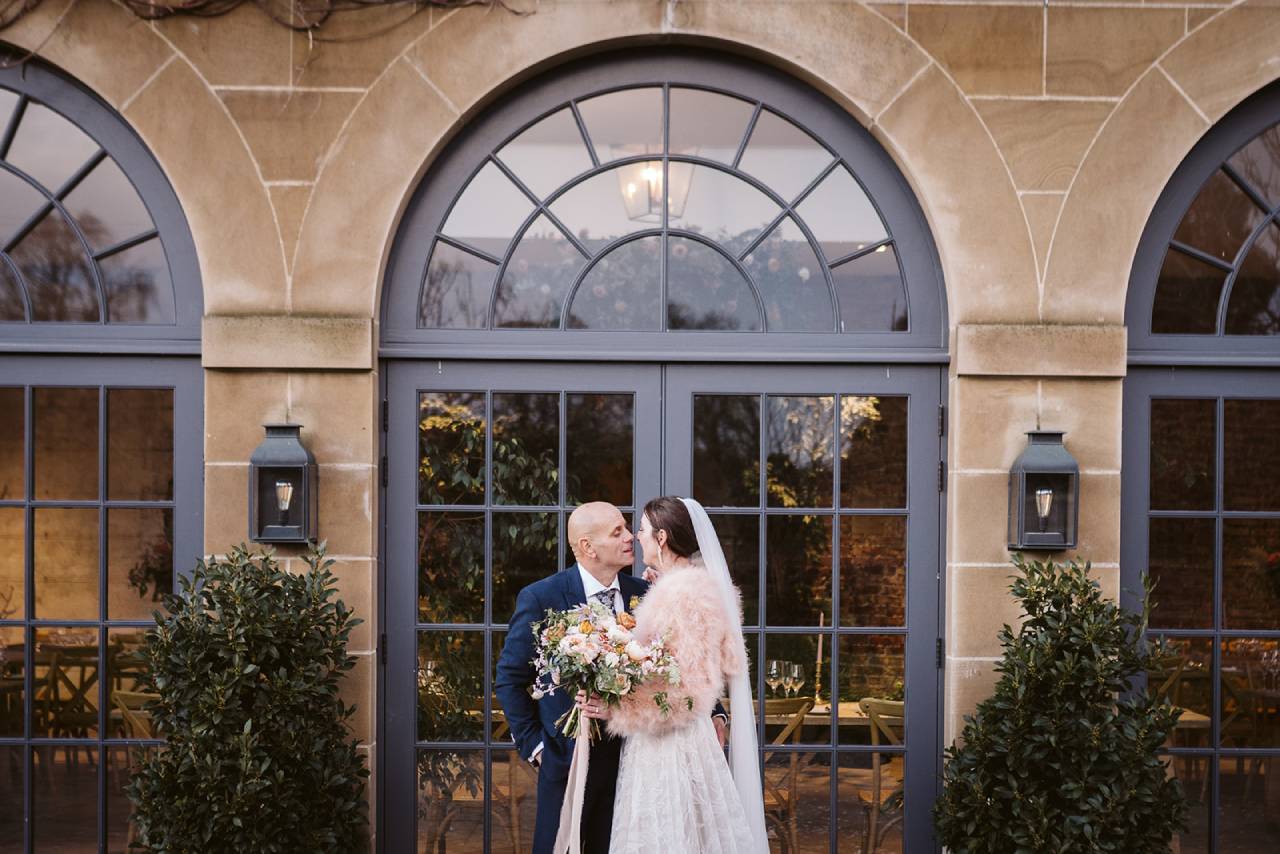
Check out the Orangery at Settrington venue!
Tip: Build Your Timeline Around Daylight
This is the big one. If you only take one thing from this post, make it this.
In summer, you can be a bit relaxed about timings. There’s light until 9 pm, so if the ceremony runs late or the receiving line takes forever, nobody’s panicking. In winter, the light sets the pace of your day, so it makes sense to plan around it from the start.
The easiest way to do that is to work backwards from sunset.
For a winter wedding, I’d suggest a ceremony at 2 pm or earlier. That leaves time afterwards for group photos and couple portraits (if you’d like them) while there’s still some daylight.
If you’d like to get some portraits in before it gets dark, a first look can work really well too. That’s when you see each other privately before the ceremony, and we grab a few photos while the light’s still on our side. I’ve written all about them here: What’s a First Look and should we have one?
An earlier ceremony does mean a longer stretch between “I do” and the evening do. That’s not a bad thing. It’s more time with your people, and the evening gets going earlier too (which, as a self-confessed nana who loves an early night, I’m all for). Just make sure there’s food, drink and something to keep everyone entertained so the afternoon doesn’t drag.
Tip: Grab Golden Hour and Blue Hour
Golden hour is that warm, low, glowy light just before the sun goes down. Blue hour is the cool, soft light right after it’s gone. In summer, golden hour lands at about 8 pm, halfway through your speeches or your first dance. In December in Yorkshire? It’s around 3 pm, it’s over quickly, and some days it doesn’t really show up at all.
When it does turn up, it’s a gift.
And you don’t need ages. I usually suggest around 15 minutes for couple photos, and in winter that’s more than enough. We’ll nip outside, make the most of whatever the sky is doing, and get you back inside to your guests (and the warm) before anyone’s noticed you’ve gone.
A few things make it so much easier:
- Have your coats or wraps somewhere close at hand.
- Let your venue coordinator or planner know roughly when we’ll pop out, so food and drinks keep flowing.
- Trust me to keep an eye on the clock and the sky. If the light’s doing something beautiful, I’ll come and find you.
So I don’t build the whole day around it. If golden hour happens and it fits with your timeline, I’ll just quickly grab you for a few photos. If it doesn’t, no stress.
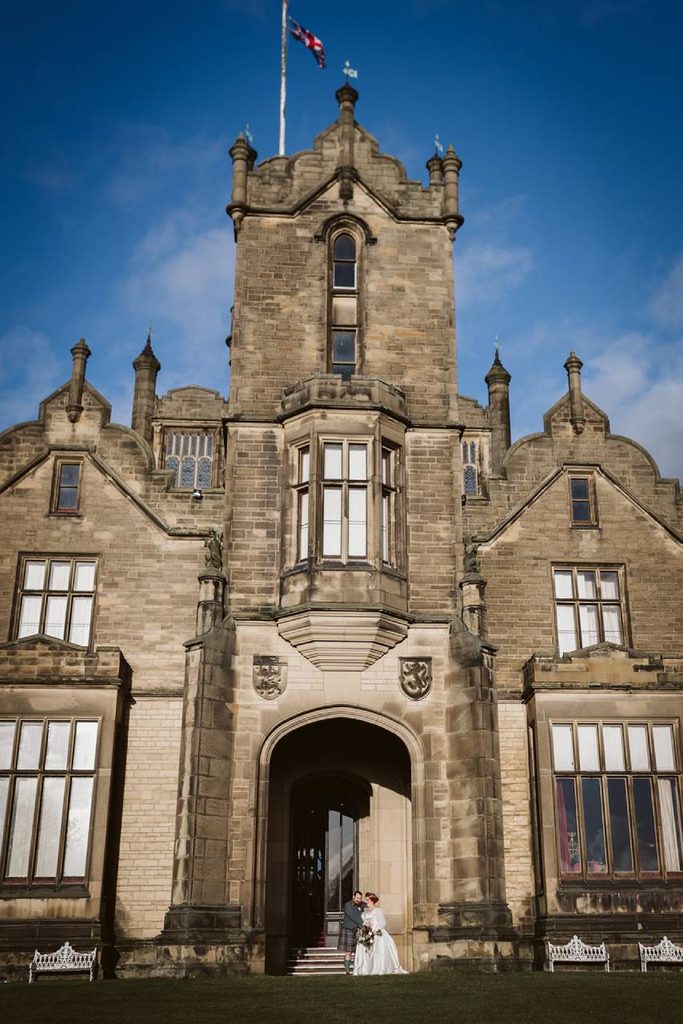
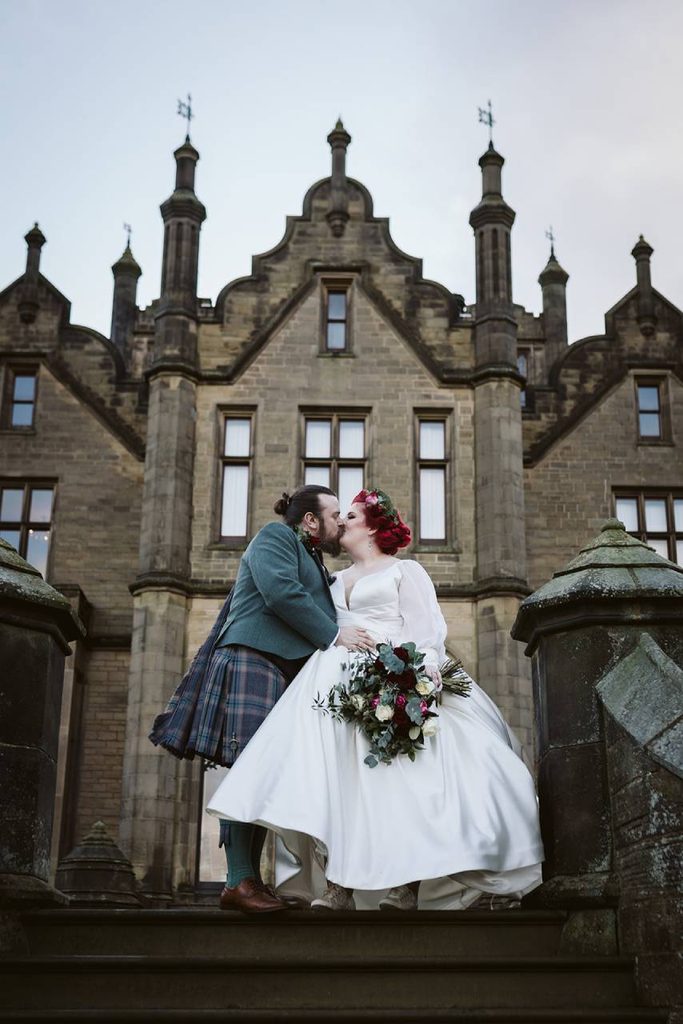
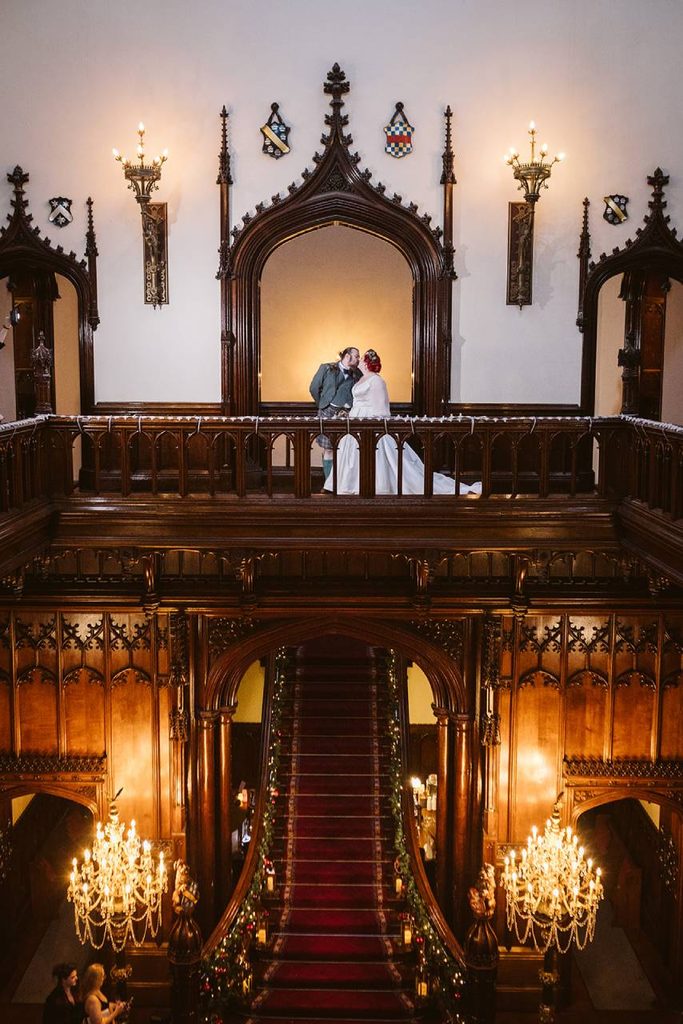
A quick dash outside to Allerton Castle.
Tip: Light up the Dark
Here’s where winter weddings really come into their own.
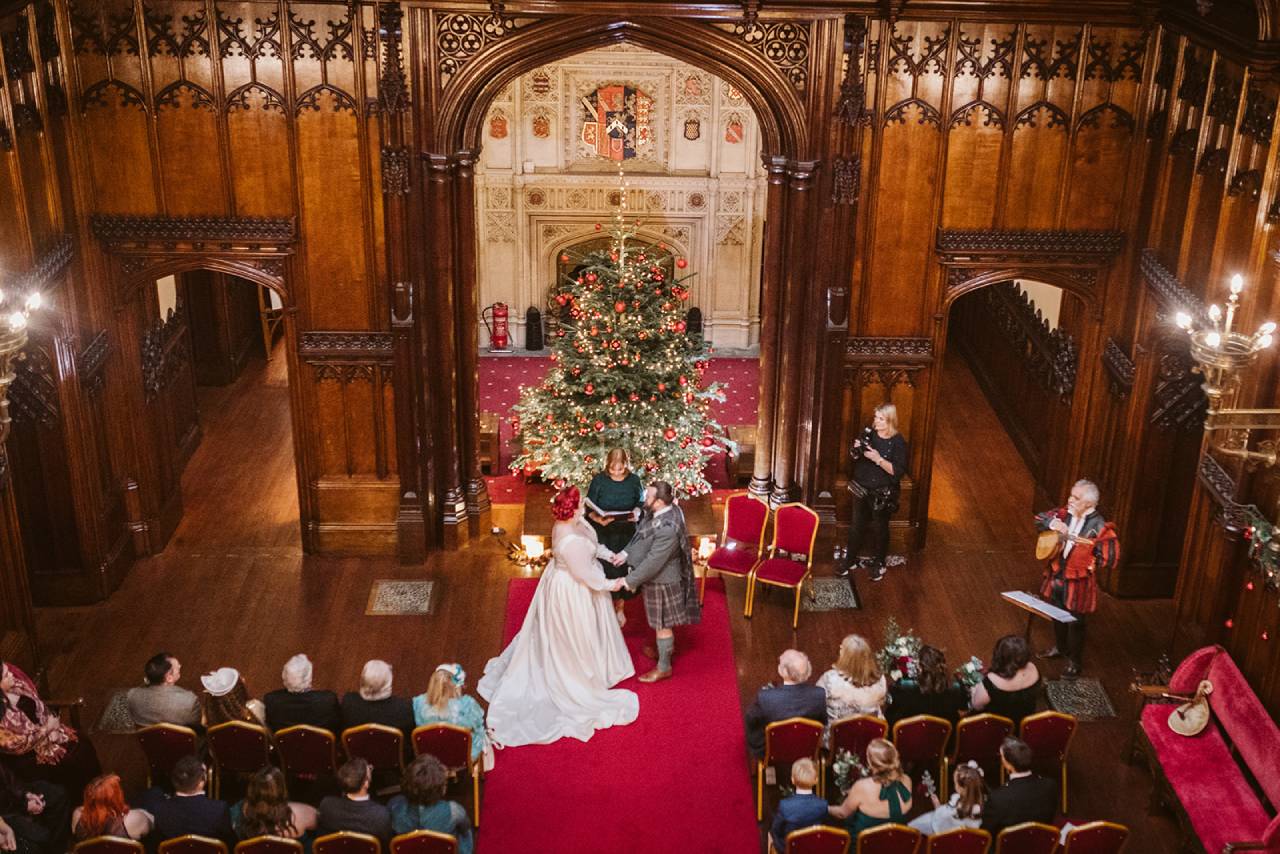
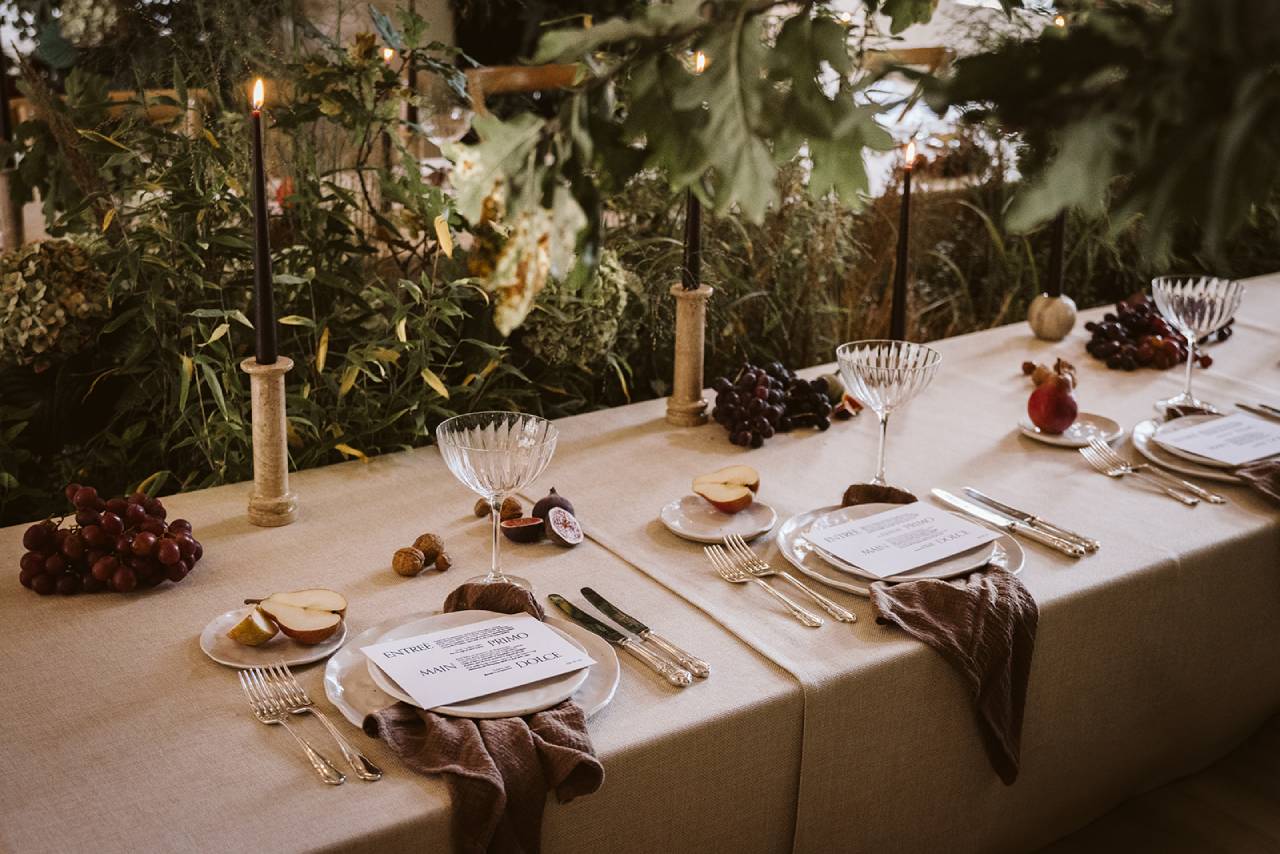
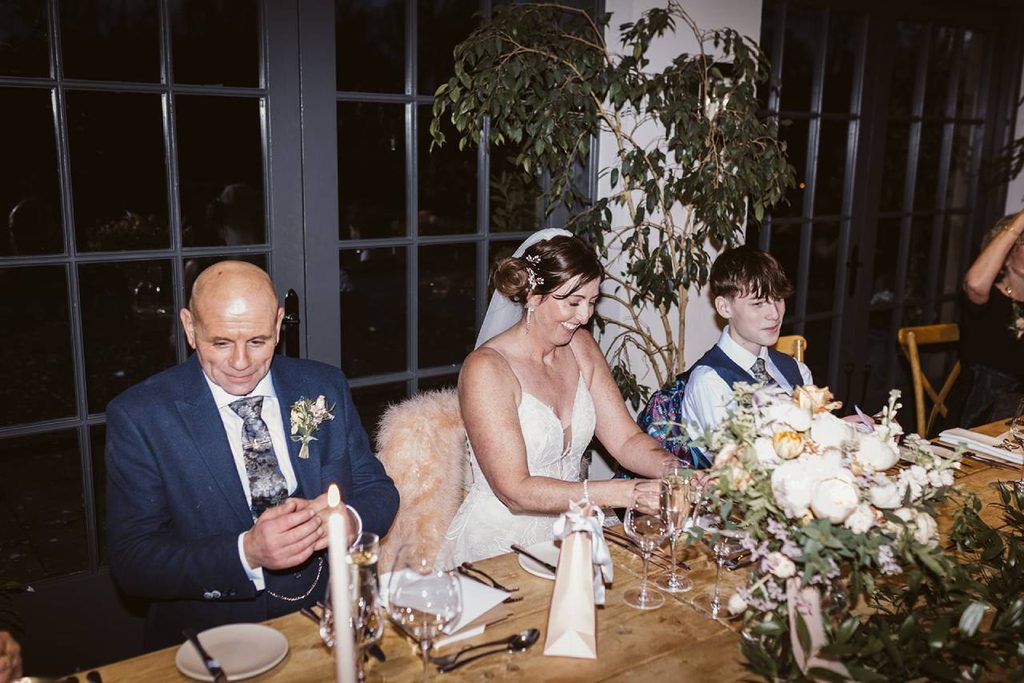
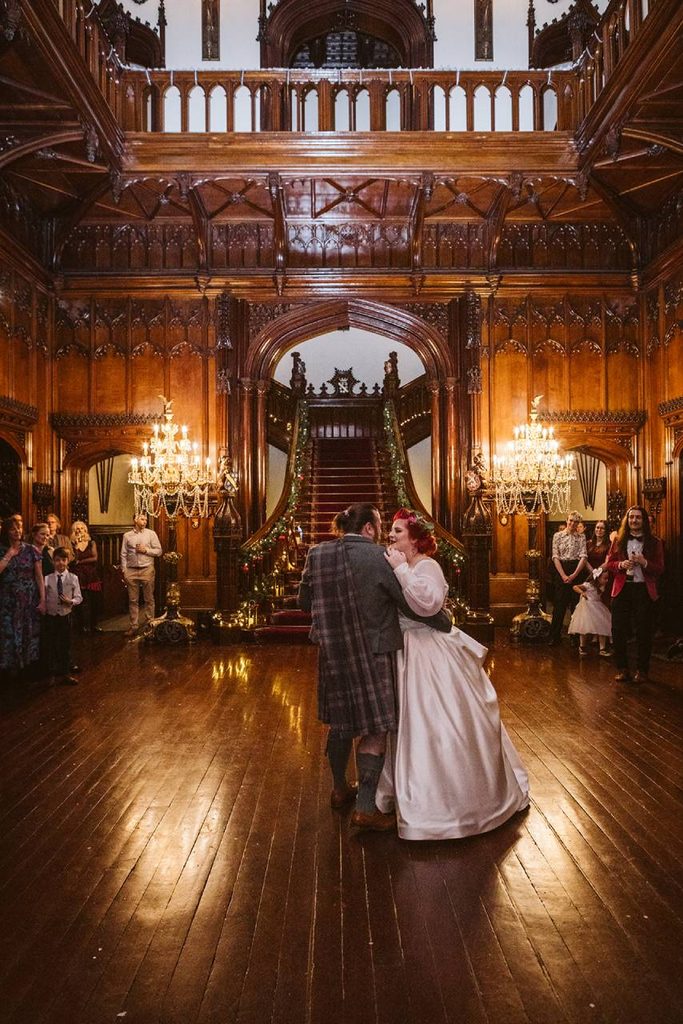
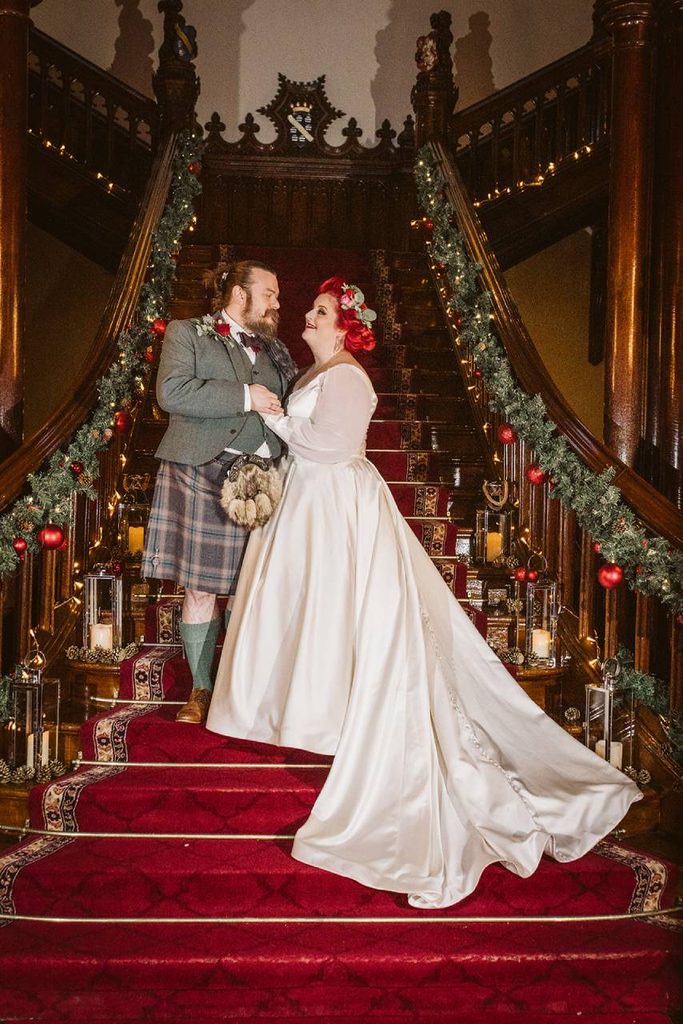
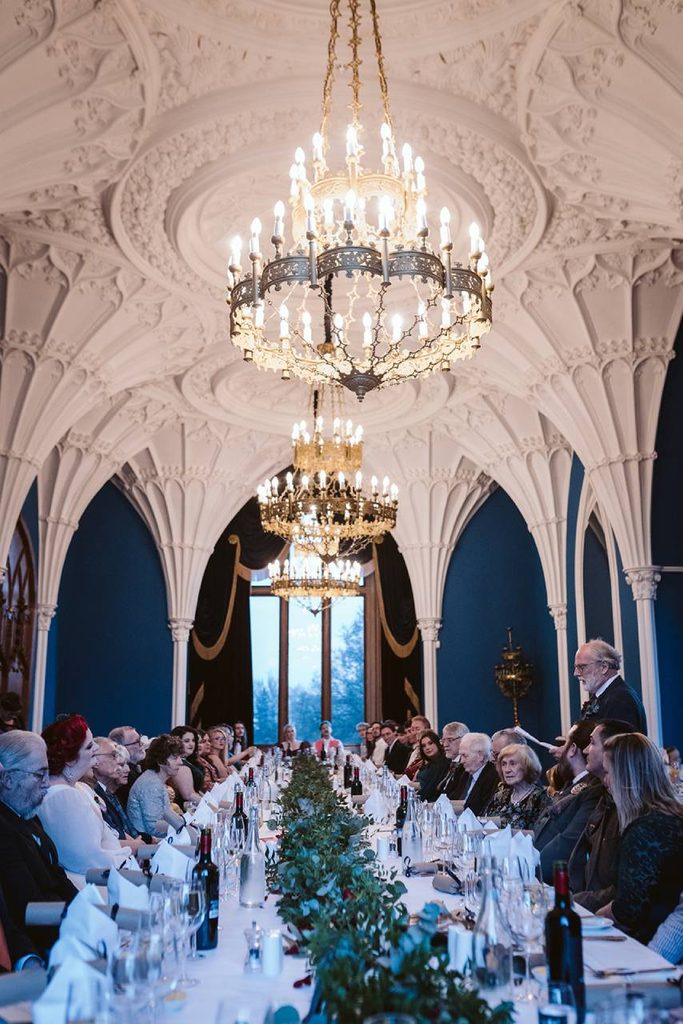
Once the sun’s gone, the whole feel of the day changes. Candles flicker on the tables. Fairy lights twinkle overhead. There’s an open fire crackling away in the corner. Everything goes warm and golden and cosy, and honestly, it’s some of my favourite stuff to photograph.
The trick is to plan for it. A room that looks lovely in the daytime can feel very different at 5 pm in December. When you’re looking round venues or chatting to your stylist, ask what the space looks like after dark, and how the lighting can be warmed up.
Candles and fairy lights are my favourites. They give that soft, warm glow that looks gorgeous in photos. Just check with your venue first, as some don’t allow real candles because of the fire risk.
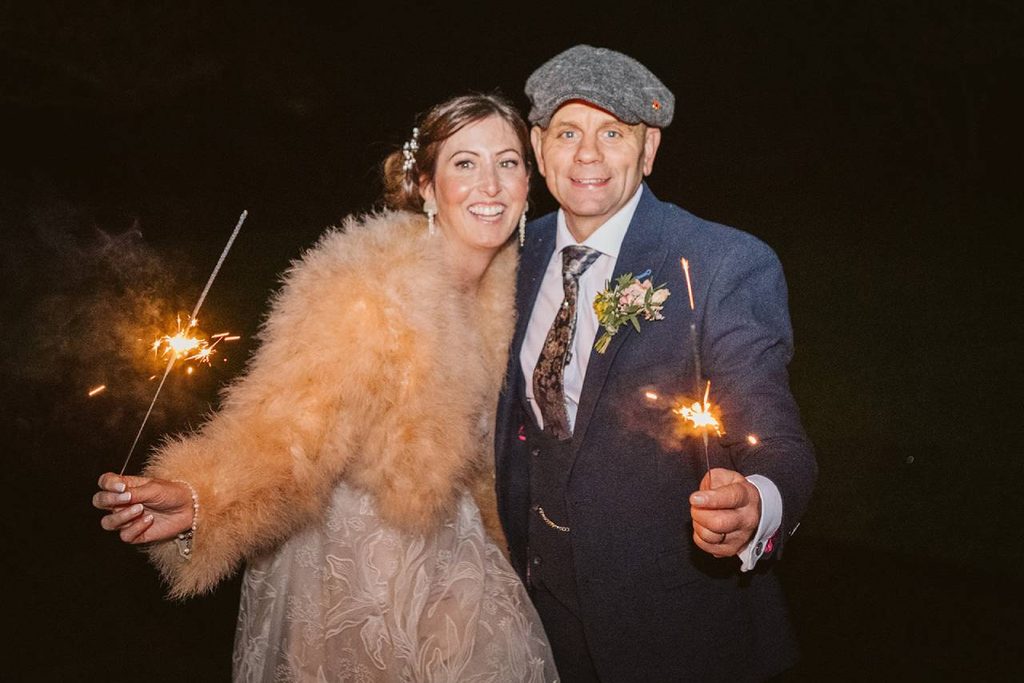
Fancy a sparkler moment? They’re brilliant on a dark winter evening, and I’ve written a whole post on getting the best sparkler photos: Sparklers, Fireworks & Smoke Bombs.
Tip: Dress for It and Say Yes to the Weather
This is Yorkshire. It might rain. It might be blowing a gale. If you’re very lucky, there might be a frost that makes everything sparkle. The one thing I can promise? We’ll work with it.
A bit of weather often makes for the best photos anyway. Rosy cheeks. Guests huddled under brollies. Someone’s nan in a borrowed coat three sizes too big. That’s real life, and it’s lovely.
What helps:
- Keep the two of you warm. A faux-fur wrap, a smart coat, gloves for between photos. Nobody looks relaxed when they’re shivering.
- Think about your guests too. Blankets on chairs, hand warmers in a basket, hot drinks on arrival. They’ll love you for it (and it photographs beautifully).
- Brollies and boots. A few clear or matching umbrellas look great in photos, and wellies under a dress are a winter classic.
- Have a plan B. Know where portraits and group photos can happen inside if it’s properly pouring.
- Plan the journey. Tell guests to check the roads, allow extra travel time and, if they can, book somewhere to stay nearby so nobody’s driving home on icy lanes.
Take Amy & Marc. They’d pictured beautiful photos on the beach for their December wedding at the Sandy Cove Hotel in Devon. Sadly, the weather had other plans, with drizzle all day long. So we snuck out for the only dry five minutes of the day and took their photos on the balcony instead. The sea was still right there behind them, and they were delighted with their pics.
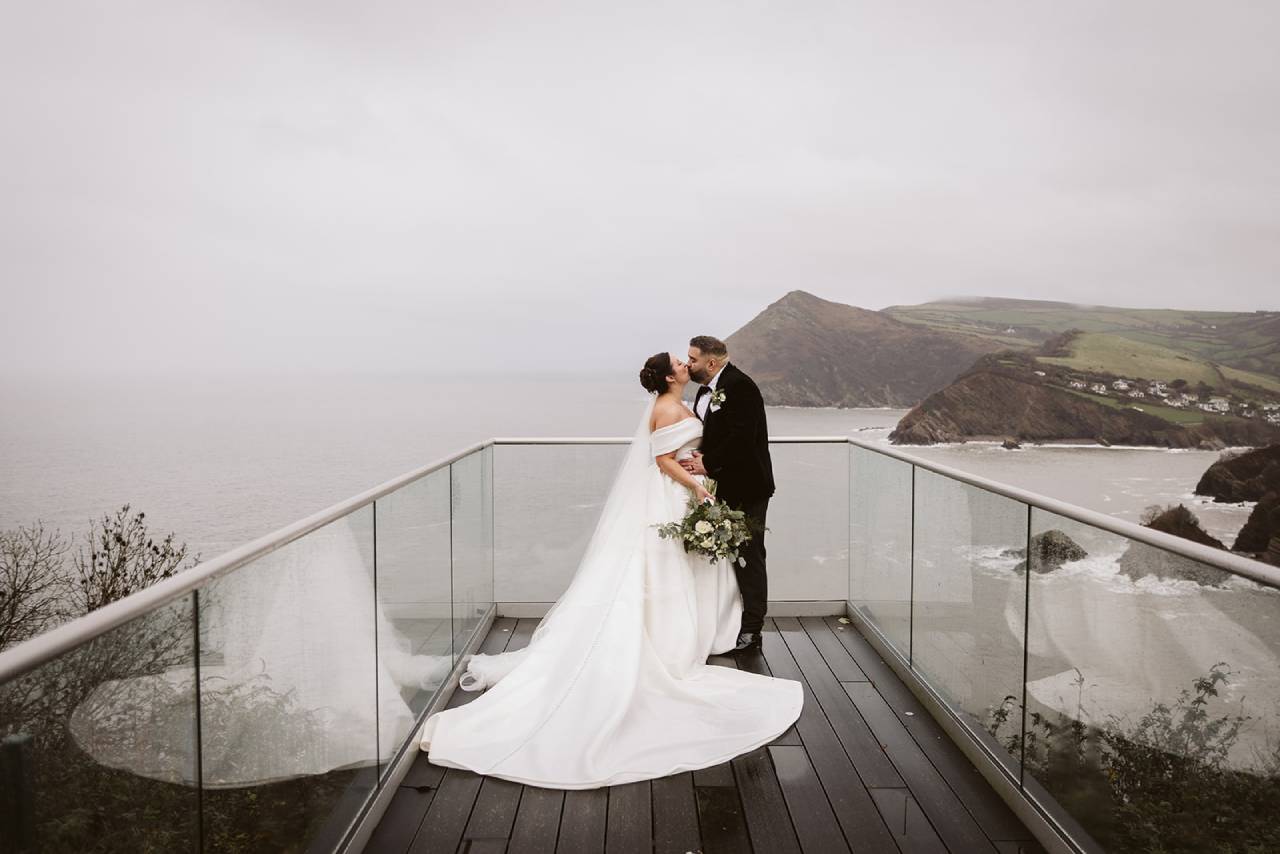
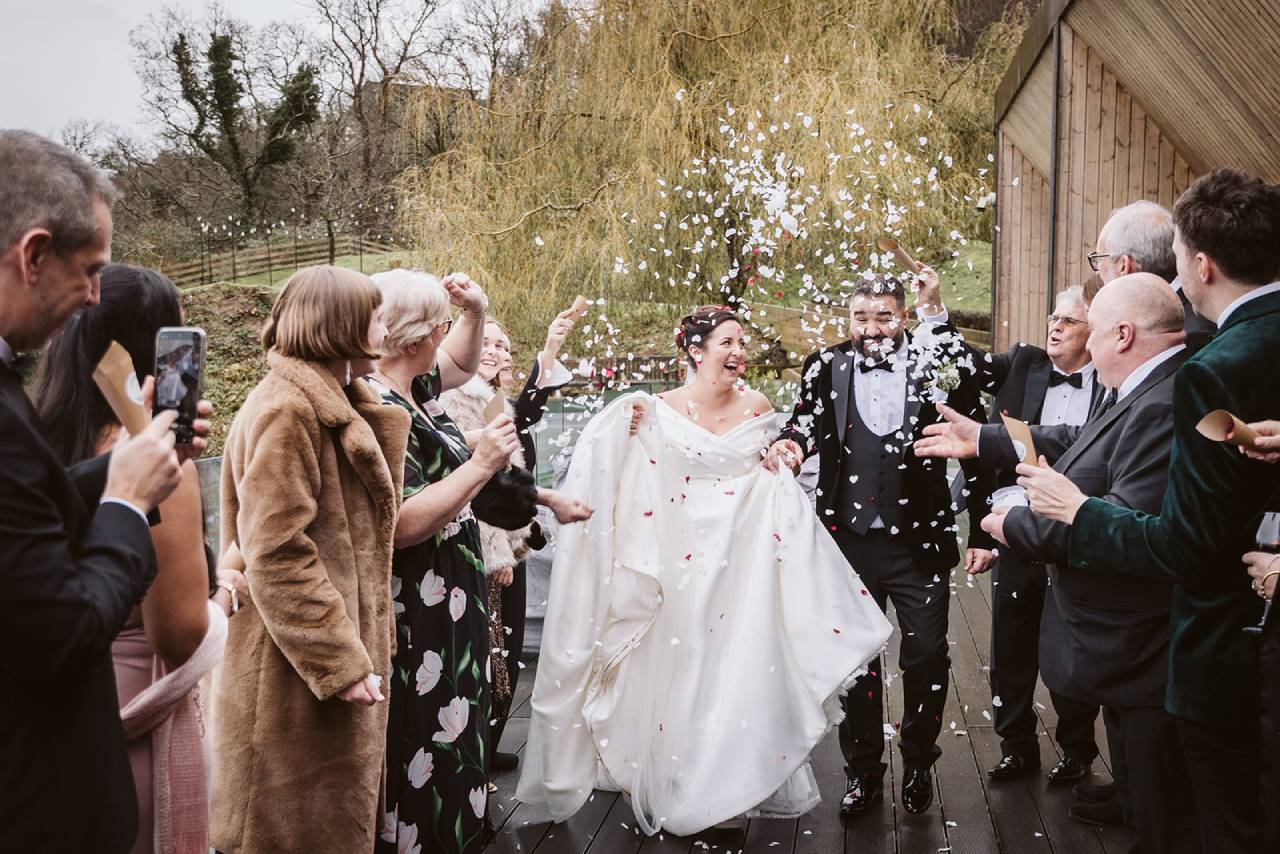
Explore more about the venue at the Sandy Cove Hotel in Devon.
The Honest Bits: Is a Winter Wedding Worth It?
I love winter weddings. But I’d much rather you go in with your eyes open, so here’s the honest version.
The good stuff:
- Gorgeous low, warm light, earlier in the day.
- Cosy, candlelit evenings that feel properly special.
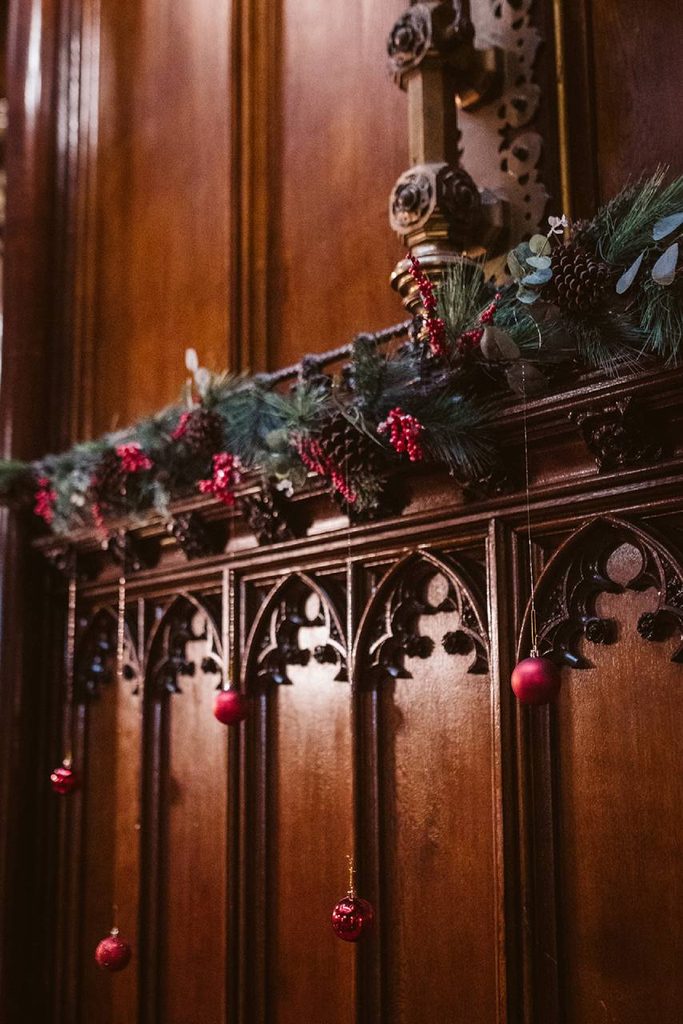
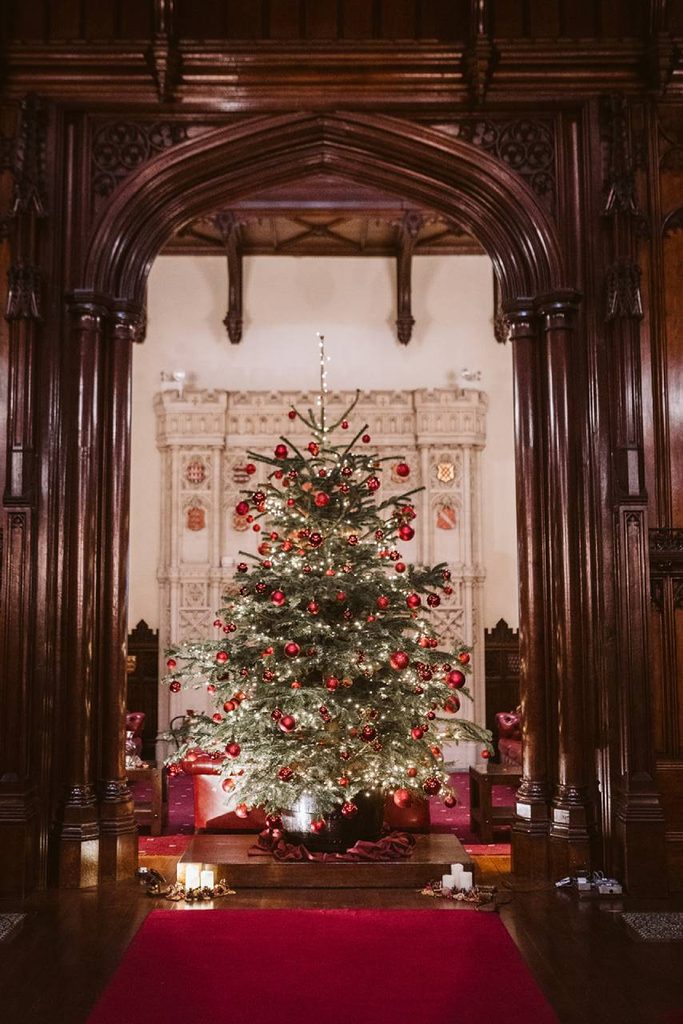
- Venues are often already decorated for Christmas, which means less for you to do!
- Lots of venues offer winter discounts, so it’s always worth asking about their winter rates.
- Your guests are less likely to be juggling three other weddings that month.
The trickier bits:
- Less daylight, so the timeline matters more.
- The weather is a wildcard (although, let’s be honest, so is a Yorkshire summer).
- Travel can be harder for guests coming from further away.
Tip: Talk to Your Photographer About Low Light
Winter weddings ask a bit more of your photographer. Dark churches, candlelit rooms, a ceremony that ends just as the light’s fading. It’s worth having a proper chat before you book.
Three questions I’d ask any photographer:
- Can I see a full winter wedding you’ve photographed? Not just the highlights. You want to see the dark bits too.
- How do you handle low light? And does it fit the style of photos you love?
- Have you worked at our venue in winter? If not, will they visit or plan ahead for the light?
For me, it’s simple. I use on-camera flash as and when I need it, and I do my best not to point it directly at anyone. I’d much rather you forget I’m there. That’s what candid photos are all about.
What It’s Like To Have Me There in Winter
I’m Hannah, a documentary wedding photographer based in North Yorkshire, and I photograph weddings for people who care more about how the day felt than how it looked.
On a winter wedding day, that means:
- A timeline we’ve planned together around the light, so there’s no last-minute panic.
- A quick dash outside when the sky’s doing something beautiful, then straight back to the warm.
- Plenty of photos of your people, glowing in the candlelight and letting loose on the dance floor.
- A calm presence, a bit of gentle direction when you need it, and wellies at the ready.
Honestly? It’s the same approach as always, just with a bit more flash!
If you’re planning a winter wedding (or you’re still on the fence), I’d absolutely love to hear about it. Check my winter availability here.