Self-Employment as a Photographer. The Ups, Downs & Everything In-Between (Lessons From 2020 → 2026)
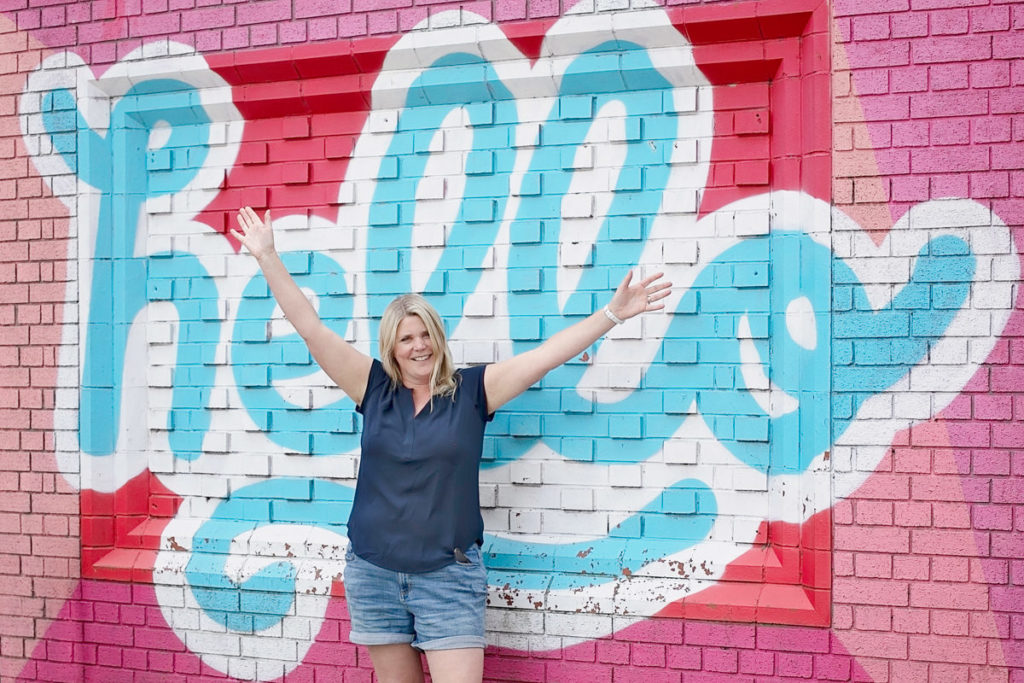
When I became fully self-employed on 1st May 2020, the world was… well, on fire.
Weddings were disappearing from diaries overnight, uncertainty was everywhere, and I was launching a business during a time when nothing felt stable.
Fast-forward to 2026, and I’m still here. Still photographing weddings and families, still self-employed, and still learning.
This post isn’t about hustle culture or “just believe harder”. It’s about the real lessons — the practical ones, the emotional ones, and the stuff no one really tells you before you go it alone.
Here’s what self-employment during a global crisis taught me… and why those lessons still matter now.
1. Your why will carry you when motivation disappears
There will be days when you don’t feel inspired, confident or even vaguely capable. That’s normal.
On those days, your why matters more than motivation. For me, it was flexibility, creativity, being present for my family, and building something that felt aligned with who I am.
When things wobble, remind yourself why you started — not the Instagram version, but the real, human reason.
2. There’s no safety net — but there is control
Self-employment doesn’t come with sick pay, holiday pay or guaranteed income. That can feel terrifying at first.
But what you do get is control:
- Over who you work with
- Over how you structure your time
- Over the direction your business takes
Once I accepted that security doesn’t always come from a payslip, I started building my own version of it through planning, boundaries and adaptability.
3. Knowing your numbers is non-negotiable
This was a big one.
It’s easy to set prices based on what others are charging, but that doesn’t tell you whether your business is sustainable. Once I properly understood my costs, time, and energy, pricing became less emotional and more grounded.
You’re not charging for “a few hours with a camera” — you’re charging for years of experience, decision-making, editing time, communication, backups, and emotional labour too.
4. Flexibility isn’t weakness — it’s a strength
My original business plan did not include:
- A pandemic
- Cancelled weddings
- Reinventing my offers overnight
And yet, adapting during that time made me a stronger business owner. I tried things I wouldn’t have otherwise — online education, alternative shoots, different ways of connecting with clients.
Being flexible doesn’t mean lacking direction. It means responding intelligently when the landscape changes.
5. Community matters more than competition
One of the best things to come out of that period was connection with other creatives.
Support, referrals, advice, shared panic, shared wins — none of us are meant to do this alone. Networking doesn’t have to mean awkward small talk; it can simply mean showing up, being kind, and building genuine relationships.
Some of the people I leaned on most during that time are still part of my world now.
6. Investing in yourself is part of the job
Courses, mentoring, education, tools — these aren’t “extras”, they’re part of running a business well.
Each year I look at where I want to grow, whether that’s creatively, financially or personally, and I invest accordingly. The return isn’t always instant, but it is cumulative.
Growth compounds.
7. Comparison will drain you faster than hard work
Looking sideways is exhausting.
There will always be someone booking more, posting better, charging less or shouting louder. None of that invalidates your path.
The moment I stopped trying to keep up and focused on building something that felt authentic to me, my confidence — and my bookings — improved.
8. Undercharging costs more than you think
Lower prices don’t just affect income — they affect confidence, boundaries and burnout.
Charging properly allowed me to:
- Show up better for clients
- Say no when needed
- Build a business I could actually sustain
The right clients don’t need convincing. They feel the value.
9. Other people’s money stories aren’t yours
Not everyone will understand your pricing. Some people will tell you you’re “too expensive”.
That doesn’t make you wrong — it just means you’re not for them. And that’s okay.
Your job isn’t to justify your worth. It’s to stand by it.
10. You’re allowed to try things that don’t work
Some ideas will land beautifully. Others will quietly flop.
Both are useful.
Every experiment teaches you something — about your audience, your energy, or what you actually enjoy offering. Nothing is wasted if you’re paying attention.
11. Clarity attracts the right people
Once I got really clear on who I wanted to work with — people who value connection, emotion and ease — my marketing became simpler.
You don’t need everyone to like your work. You just need the right people to recognise themselves in it.
12. Celebrate yourself (yes, really)
This doesn’t come naturally to everyone — me included.
But sharing your wins helps others trust you. It also reminds you how far you’ve come. Bookings, kind words, awards, milestones — they all matter.
You’re allowed to be proud.
Final thoughts
Going self-employed during a global crisis taught me resilience, creativity and perspective. It showed me that businesses don’t need to be loud to be successful — they need to be intentional.
If you’re navigating uncertainty right now, know this:
You don’t have to have it all figured out. You just have to keep listening, adjusting, and choosing what feels aligned.
That’s how sustainable businesses are built.
One thing I’m absolutely sure of, is that if I’d stuck to the original vision board and not resigned until the end of 2020…I probably never would have! I have NO IDEA what 2021 looks like, but I do know that I’ll keep on keeping on and that despite all the difficulties 2020 has brought, it feels great to be doing work I love.